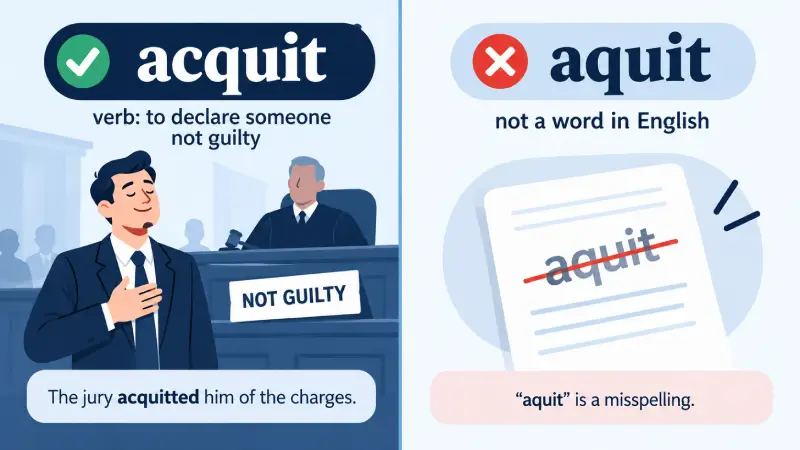

Foreign vs. foriegn is a common spelling confusion in English. If you are wondering whether foreign or foriegn is correct, the answer is simple: foreign is the correct spelling, while foriegn is a misspelling.
The word foreign generally describes something from, connected with, or belonging to another country. In this guide, you will learn the correct spelling, meaning, pronunciation, usage, common mistakes, and easy ways to remember foreign.
SEO Meta Description: Foreign vs. foriegn: Learn the correct spelling, meaning, pronunciation, examples, common mistakes, and easy memory tricks.
Foreign vs. Foriegn: Quick Answer
Foreign is the correct spelling. Foriegn is incorrect.
The correct word is foreign, spelled:
F-O-R-E-I-G-N
For example:
She enjoys learning about foreign cultures.
The company imports foreign products.
The spelling foriegn is a common mistake. Writers often reverse the e and i because the word’s pronunciation does not make its spelling obvious.
Common Questions About Foreign vs. Foriegn
How do you spell “foreign” in English?
The correct spelling is foreign: F-O-R-E-I-G-N.
Foriegn is an incorrect spelling.
How do you pronounce “foreign” in English?
In American English, foreign is commonly pronounced approximately FOR-in, with the first syllable receiving the main stress.
The pronunciation does not clearly reveal all the letters in the spelling, which is one reason people sometimes write foriegn.
What does the word “foreign” mean?
Foreign is an adjective that generally means from, connected with, or belonging to another country.
The company sells foreign products.
Is “foreign” the correct word to use?
Yes. Foreign is the standard word when you are describing something connected with another country.
The students are studying a foreign language.
Is “foriegn” a correct spelling?
No. Foriegn is a misspelling. The correct form is foreign.
Is this correct use of “foreign”?
Yes, when foreign appropriately describes something connected with another country.
The company has several foreign suppliers.
Why Is “Foreign” the Correct Spelling?
The standard spelling is:
F-O-R-E-I-G-N
A common mistake changes the order of the e and i:
F-O-R-I-E-G-N ❌
That produces foriegn, which is not the standard spelling.
The unusual spelling of foreign, combined with its pronunciation, makes it easy to misspell. Therefore, learning the word visually can be more useful than trying to spell it entirely from sound.
A simple way to remember it is:
FOREIGN = FOR + EIGN
The important part is E-I, not I-E.
What Does “Foreign” Mean?
Foreign is primarily an adjective. It describes something that comes from, belongs to, or relates to another country.
For example:
We ordered foreign food at the restaurant.
The store sells foreign cars.
He speaks several foreign languages.
The exact meaning depends on the noun that foreign modifies.
Foreign Can Mean “From Another Country”
This is one of the most common uses of the word.
The store sells foreign cars.
We bought some foreign currency before our trip.
The company competes with foreign manufacturers.
In each example, foreign refers to something associated with a country other than the speaker’s or writer’s own country.
Foreign Can Describe Languages and Cultures
Foreign frequently appears when discussing languages, cultures, traditions, and customs.
She is learning a foreign language.
The course explores foreign cultures.
He enjoys watching foreign films.
Depending on the context, terms such as international or a specific country or region may be more precise.
Foreign Can Describe People
Foreign can describe people from another country, but the most natural wording depends on the context.
For example:
The university welcomes foreign students.
However, international students is often more specific and natural in American educational contexts.
When possible, specific wording can provide greater clarity:
The university welcomes students from several countries.
How Is “Foreign” Used in a Sentence?
Foreign usually appears before a noun as an adjective.
Common examples include:
She speaks a foreign language.
The company imports foreign products.
They are researching foreign markets.
He follows foreign news.
The country has increased foreign investment.
These examples show how foreign can describe different things associated with another country.
Foreign vs. Foriegn: Side-by-Side Comparison
| Spelling | Correct? | Meaning | Example |
|---|---|---|---|
| foreign | ✅ Correct | From or related to another country | She studies a foreign language. |
| foriegn | ❌ Incorrect | Misspelling of foreign | Foriegn is spelled incorrectly. |
The difference is only the order of two letters, but that small change makes foriegn incorrect in standard English.
Why Do People Spell “Foreign” as “Foriegn”?
The main reason is the unusual spelling pattern.
Many English words contain ie or ei, and writers may hesitate about which order to use. As a result, some people write foriegn instead of foreign.
For example, English contains words such as:
- believe
- receive
- friend
- field
- weird
- foreign
These words do not all follow one simple spelling rule. Therefore, trying to rely on a universal ie/ei rule can lead to mistakes.
Pronunciation also contributes to the confusion. In American English, foreign is commonly pronounced approximately FOR-in, so the pronunciation does not make the complete written form obvious.
Foreign in Everyday American English
You can use foreign in casual conversations and everyday writing.
I have always wanted to visit a foreign country.
She enjoys watching foreign movies.
He is learning a foreign language.
The restaurant serves foreign cuisine.
They import foreign products.
These examples show that foreign can be used in many ordinary situations.
Foreign in School Writing
Students often use foreign when writing about geography, history, languages, and cultures.
The students researched foreign countries for their geography project.
Learning a foreign language can help students communicate with people from other countries.
The book explores the effects of foreign influences on local culture.
In formal school writing, however, more specific wording may sometimes be better.
For example:
The university has many international students.
This can be more precise than:
The university has many foreign students.
The best choice depends on the intended meaning.
Foreign in Professional Writing
Foreign is also common in business and professional communication.
The company works with foreign suppliers.
We are entering new foreign markets.
The business has several foreign clients.
The report examines foreign investment.
However, professional writers should consider whether foreign, international, global, or overseas communicates the intended meaning most precisely.
For example:
The company has international offices.
This may sound more natural when the company operates across multiple countries.
Foreign in Formal Expressions
The word foreign appears in many established expressions.
Foreign Policy
- Foreign policy refers to a country’s approach to its relationships and dealings with other countries.
The president discussed changes to the nation’s foreign policy.
Foreign Affairs
- Foreign affairs refers broadly to a country’s relationships and dealings with other countries.
She works in foreign affairs.
Foreign Investment
- Foreign investment refers to investment involving another country.
The report examines foreign investment in the industry.
Foreign Exchange
- Foreign exchange refers to the conversion or trading of different currencies.
The bank provides foreign exchange services.
These are established expressions, so foreign should not be changed to foriegn.
Foreign vs. International
- Foreign and international can sometimes overlap, but they are not always interchangeable.
- Foreign often emphasizes something associated with another country.
The company imports foreign products.
International often emphasizes activity, relationships, or participation involving multiple countries.
The company has an international customer base.
Compare:
He studies foreign languages.
He works for an international organization.
Both words can relate to other countries, but the context determines which one is more appropriate.
Foreign vs. Overseas
- Foreign and overseas can also have related meanings, but they are not identical.
- Foreign generally means related to another country.
The company imports foreign goods.
Overseas often refers to something located or operating abroad, especially from the perspective of one’s home country.
The company has overseas offices.
Therefore, do not automatically replace foreign with overseas. Choose the word that best matches your meaning.
Common “Foreign” Spelling Mistakes
Mistake 1: Writing “Foriegn”
Incorrect:
❌ She speaks a foriegn language.
Correct:
✅ She speaks a foreign language.
Mistake 2: Writing “Foriegn Country”
Incorrect:
❌ They traveled to a foriegn country.
Correct:
✅ They traveled to a foreign country.
Mistake 3: Writing “Foriegn Language”
Incorrect:
❌ He is studying a foriegn language.
Correct:
✅ He is studying a foreign language.
Mistake 4: Writing “Foriegn Investment”
Incorrect:
❌ The report examines foriegn investment.
Correct:
✅ The report examines foreign investment.
Because foreign appears frequently in academic, business, government, and international contexts, spelling it correctly is especially important in formal writing.
Easy Memory Trick for “Foreign”
A useful way to remember foreign is to break it into a visual pattern:
FOR + EIGN
So:
FOREIGN ✅
Not:
FORIEGN ❌
Focus on the middle letters:
E-I
The correct spelling has E before I.
You can also remember the ending:
foreign → -eign
This visual method is often easier than trying to remember a general ie/ei spelling rule.
Common Expressions With Foreign
Here are some common phrases that use the correct spelling foreign:
- foreign language
- foreign country
- foreign government
- foreign company
- foreign investment
- foreign currency
- foreign policy
- foreign affairs
- foreign market
- foreign trade
- foreign products
- foreign suppliers
For example:
The bank handles foreign currency.
She teaches a foreign language.
The company operates in several foreign markets.
The government is reviewing foreign trade policies.
Foreign in Different Types of Writing
In a Text Message
I’m watching a foreign movie with subtitles.
In Professional Writing
We are reviewing several foreign suppliers before making a final decision.
In School Writing
Learning a foreign language can expose students to new cultures and improve communication skills.
In News-Style Writing
The company announced plans to expand into several foreign markets.
These examples demonstrate that foreign can appear naturally in casual, academic, professional, and informational writing.
Foreign vs. Foriegn and Similar Spelling Errors
The mistake in foriegn is similar to other English spelling errors in which writers reverse letters.
| Correct | Common Mistake |
|---|---|
| foreign | foriegn |
| believe | beleive |
| receive | recieve |
| weird | wierd |
| friend | freind |
| piece | peice |
English contains many irregular spelling patterns, so these mistakes are understandable. However, the standard spelling should always be used in formal writing.
Is “Foriegn” Ever Correct?
No. Foriegn is not the standard spelling of the English word.
If you are writing in standard American English, use:
foreign ✅
not:
foriegn ❌
The misspelled form may appear in informal posts, user-generated content, search queries, or other online writing. Its appearance does not make it an accepted spelling.
FAQs
Is foreign or foriegn correct?
Foreign is correct. Foriegn is a misspelling.
Why is foreign spelled with “ei”?
The standard spelling is foreign, with e before i in the middle: F-O-R-E-I-G-N. English does not provide one simple rule that explains every ie/ei spelling.
How do you spell foreign correctly?
Spell it F-O-R-E-I-G-N: foreign.
What does foreign mean?
Foreign generally means from, connected with, or belonging to another country.
The company sells foreign products.
Is foreign an adjective?
Yes. Foreign is primarily an adjective.
They study foreign languages.
What is the easiest way to remember foreign?
Remember:
FOREIGN = FOR + EIGN
Keep the E-I order in the middle and do not reverse the letters.
Can foreign and international mean the same thing?
Sometimes they can overlap, but they are not always interchangeable. Foreign often refers to something connected with another country, while international commonly describes activities, relationships, or organizations involving multiple countries.
Conclusion
Foreign is the correct spelling, while foriegn is a common misspelling. Foreign is primarily an adjective meaning from, connected with, or belonging to another country.
The key spelling pattern to remember is:
FOREIGN = FOR + EIGN
So remember:
foreign ✅
foriegn ❌
Whenever you are unsure, check the middle letters. The correct spelling has E-I, not I-E. This simple visual trick can help you consistently spell foreign correctly in American English.

Olivia Smith is a US English writer and language enthusiast who specializes in spelling, word choice, and commonly confused words. She creates clear, practical guides that help readers understand the correct spelling, meaning, and usage of English words.
At GrammarPool.com, Olivia focuses on spelling-choice topics, common spelling mistakes, and easy-to-understand explanations for everyday English users. Her writing is designed to make confusing word choices simple, accurate, and easy to remember.
Expertise: US English, spelling, word choice, commonly confused words, grammar, and language usage.