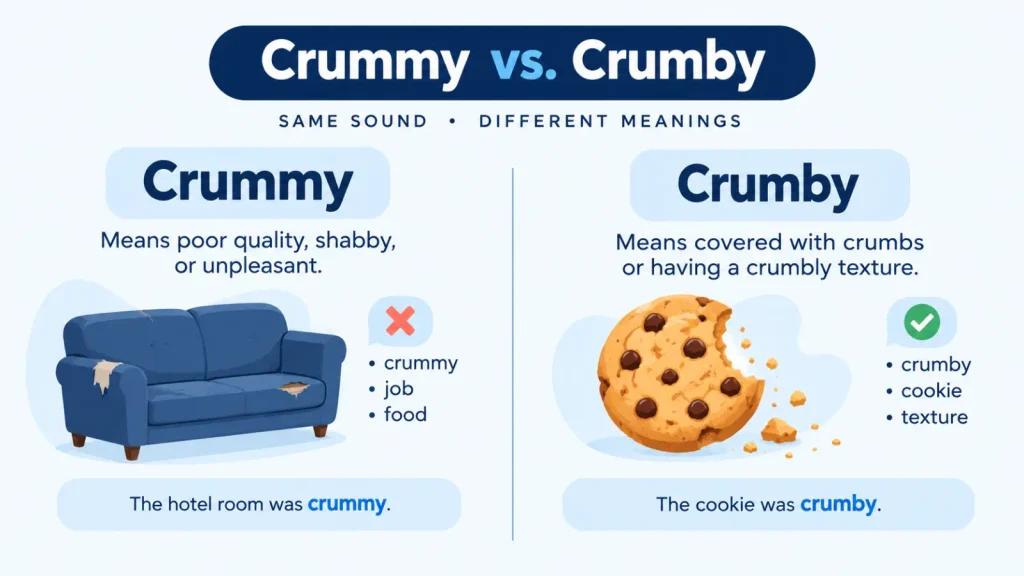
Crummy vs. Crumby: Meaning, Differences, Correct Usage, and Examples

crummy vs crumby

Crummy and crumby are both recognized English words, but they usually have different meanings and levels of familiarity. Crummy is the more common choice when describing something bad, poor in quality, unpleasant, or disappointing. For example, “We had a crummy day because it rained throughout our trip.” Crumby, on the other hand, is generally associated

Crummy vs. Crumby: Meaning, Differences, Correct Usage, and Examples Read More »
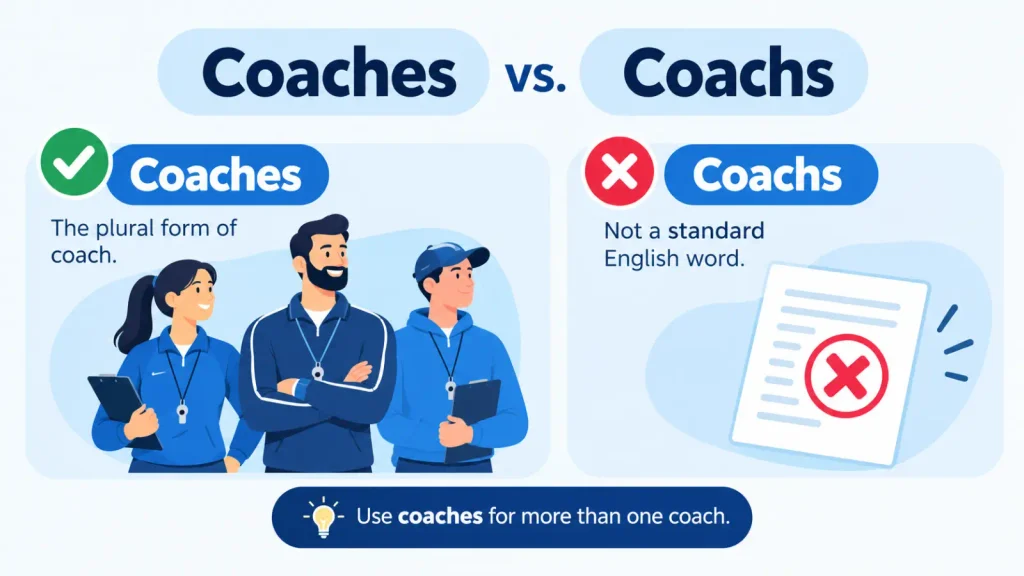
Coaches vs. Coachs: Correct Spelling, Meaning, Grammar Rules, and Examples

coaches vs coachs

Coaches is the correct spelling, while coachs is incorrect in standard English. If you want to describe more than one sports trainer, teacher, mentor, or instructor, use coaches. The same spelling also applies when coaches functions as a verb, as in “She coaches the school basketball team.” The difference between coaches vs. coachs comes down

Coaches vs. Coachs: Correct Spelling, Meaning, Grammar Rules, and Examples Read More »

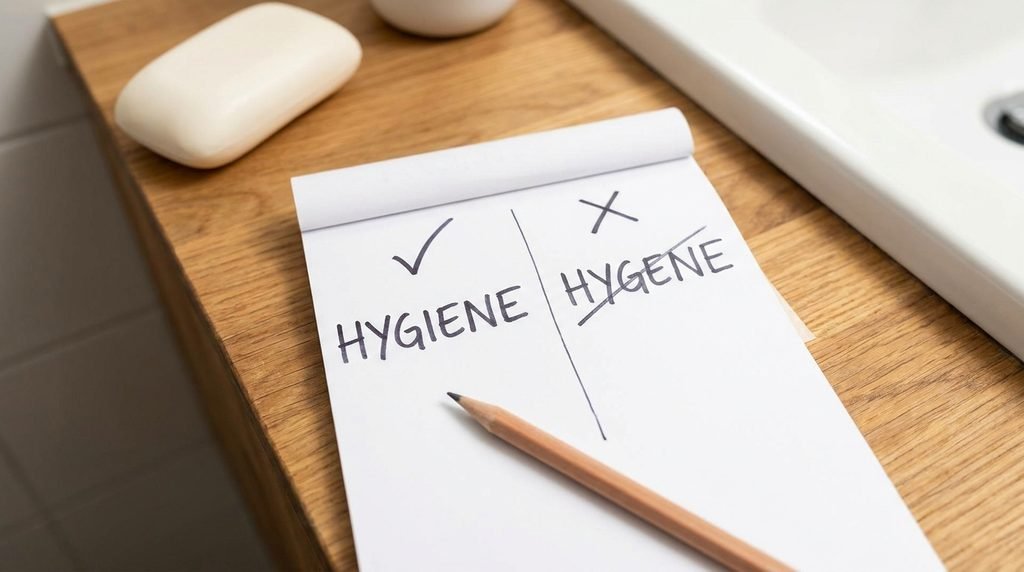
Hygiene vs Hygene: Which Spelling Is Correct?

hygiene vs hygene

Hygiene is the correct spelling in standard English, while hygene is a misspelling. The word hygiene refers to practices that help maintain cleanliness, health, and personal well-being. For example, personal hygiene includes washing your hands, brushing your teeth, bathing regularly, and wearing clean clothes. The main difference between hygiene vs hygene is the letter i.

Hygiene vs Hygene: Which Spelling Is Correct? Read More »

Hors d’Oeuvres vs. Hors Derves: Which Spelling Is Correct?

hors d'oeuvres vs hors derves

Hors d’oeuvres is the correct spelling, while hors derves is a misspelling of the French term. The phrase refers to small dishes or bite-sized foods served before a main meal, such as stuffed mushrooms, cheese bites, shrimp cocktails, and small pastries. For example: “The restaurant served delicious hors d’oeuvres before dinner.” The main difference is

Hors d’Oeuvres vs. Hors Derves: Which Spelling Is Correct? Read More »

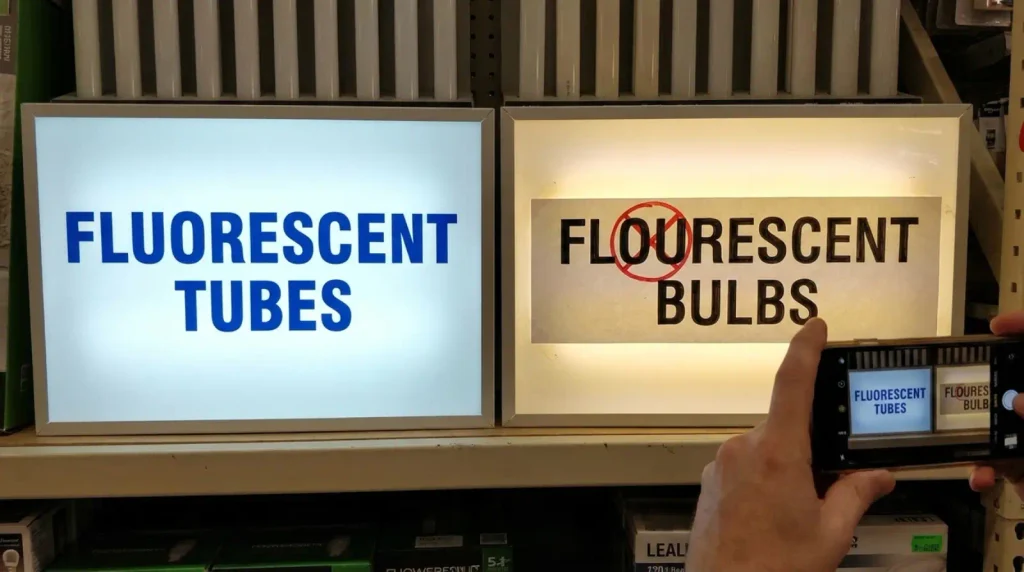
Fluorescent vs. Flourescent: Which Spelling Is Correct?

Fluorescent vs Flourescent

Fluorescent is the correct spelling, while flourescent is a common misspelling. The word fluorescent describes something that emits light through fluorescence or has an exceptionally bright, vivid color. For example, “She wore a fluorescent yellow jacket that was easy to see from a distance.” The main difference is the order of the letters near the

Fluorescent vs. Flourescent: Which Spelling Is Correct? Read More »

Fascinating vs. Facinating: Which Spelling Is Correct?

Fascinating vs Facinating

Fascinating is the correct spelling. Facinating is a misspelling because it leaves out the first s in the word. Use fascinating when describing something extremely interesting, captivating, or capable of holding someone’s attention. For example: “The documentary tells a fascinating story about ancient civilizations.” The key point is simple: fascinating contains two consecutive letters s

Fascinating vs. Facinating: Which Spelling Is Correct? Read More »

Congratulate vs. Congradulate: Which Spelling Is Correct?

congratulate vs congradulat

Congratulate is the correct spelling in American English, while congradulate is a common misspelling. Use congratulate when you want to express happiness for someone’s achievement, praise someone for an accomplishment, or recognize a special occasion. For example, you should write, “I want to congratulate you on your success,” not “I want to congradulate you on

Congratulate vs. Congradulate: Which Spelling Is Correct? Read More »

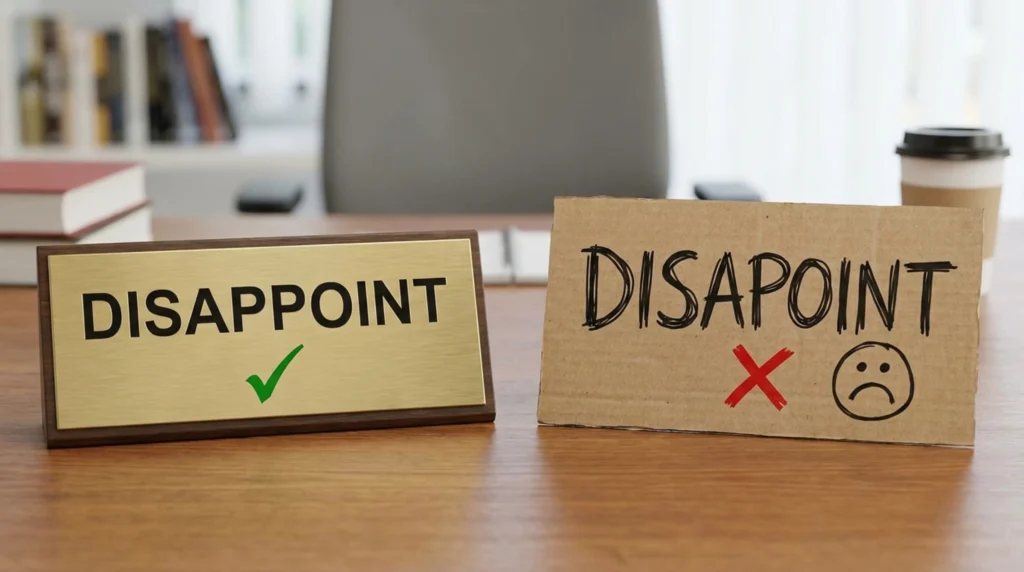
Disappoint vs. Disapoint: Which Spelling Is Correct?

disappoint vs disapoint

Disappoint is the correct spelling in American English. Disapoint is a misspelling because the word requires two p’s. Use disappoint when you mean to let someone down, fail to meet expectations, or cause someone to feel unhappy. For example: “I don’t want to disappoint my parents.” The easiest way to remember the correct spelling is

Disappoint vs. Disapoint: Which Spelling Is Correct? Read More »