Spelling Comparisons

Labeler vs. Labeller: Which Spelling Is Correct?

labeler vs labeller

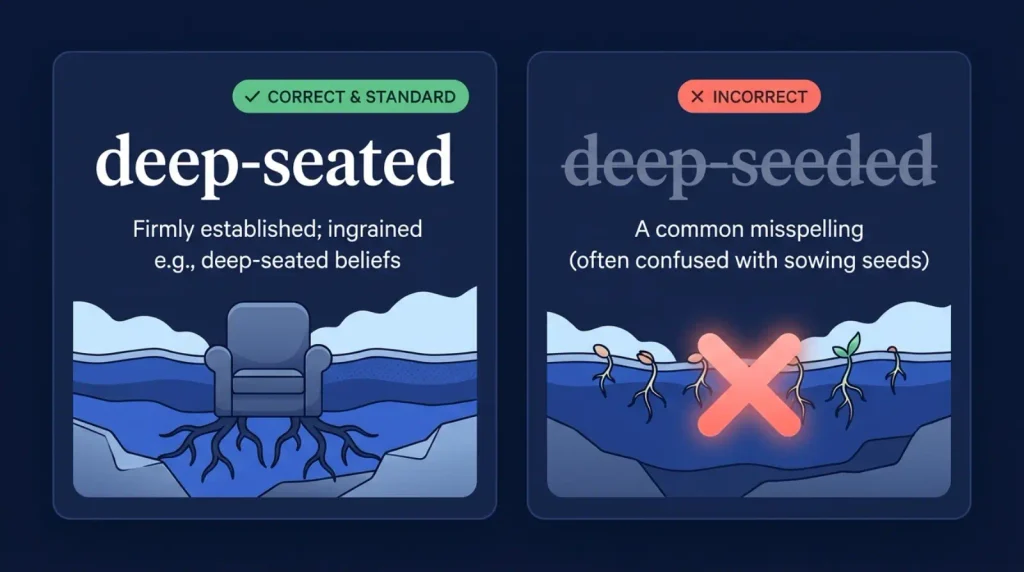
Labeler and labeller are both correct spellings of the same word. The difference is regional: labeler is the standard American English spelling, while labeller is commonly used in British English and other varieties that follow British spelling conventions. Both words refer to a person, machine, or device that labels something. If you are writing for

Labeler vs. Labeller: Which Spelling Is Correct? Read More »
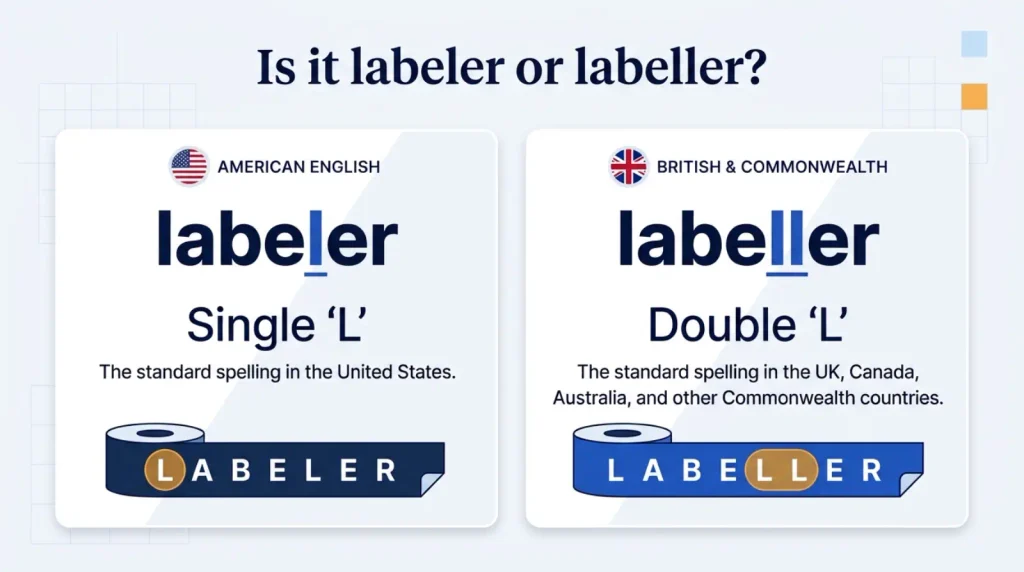
Deep-Seated vs. Deep-Seeded: Which Spelling Is Correct?

deep-seated vs deep-seeded

If you are wondering whether deep-seated vs. deep-seeded is correct, the standard expression is deep-seated. It describes a feeling, belief, habit, problem, or attitude that is firmly established and difficult to change. Although deep-seeded may look logical because seeds grow deep into the ground, it is generally considered a misspelling of the established expression. Understanding

Deep-Seated vs. Deep-Seeded: Which Spelling Is Correct? Read More »
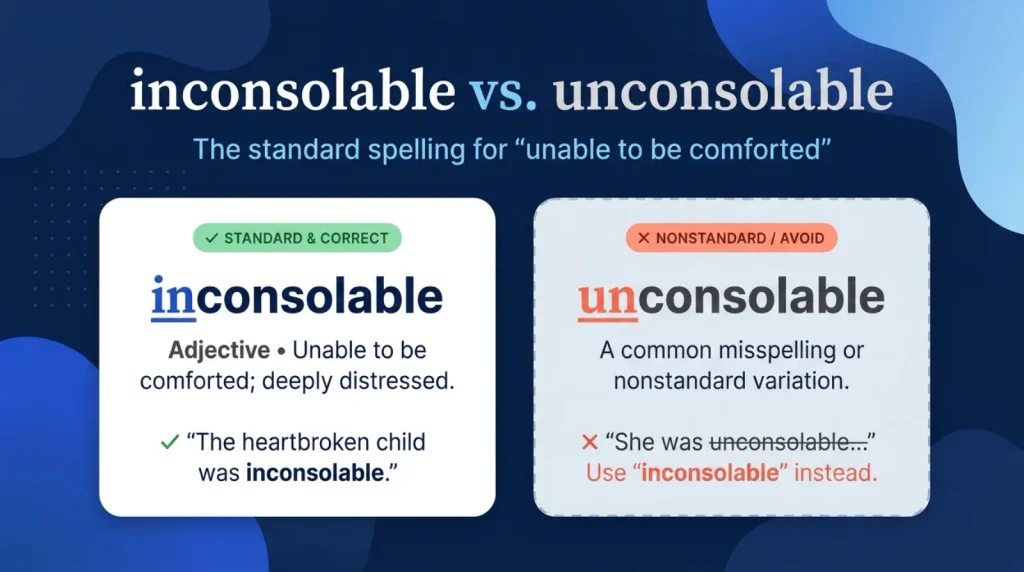
Inconsolable vs. Unconsolable: Which Word Is Correct?

inconsolable vs unconsolable

When comparing inconsolable vs. unconsolable, inconsolable is the standard, widely accepted word in modern American English. It describes someone who is so upset, grieving, or distressed that they cannot be comforted. Unconsolable is also a recorded English word, but it is much less common. In most everyday, academic, and professional writing, inconsolable is the better

Inconsolable vs. Unconsolable: Which Word Is Correct? Read More »

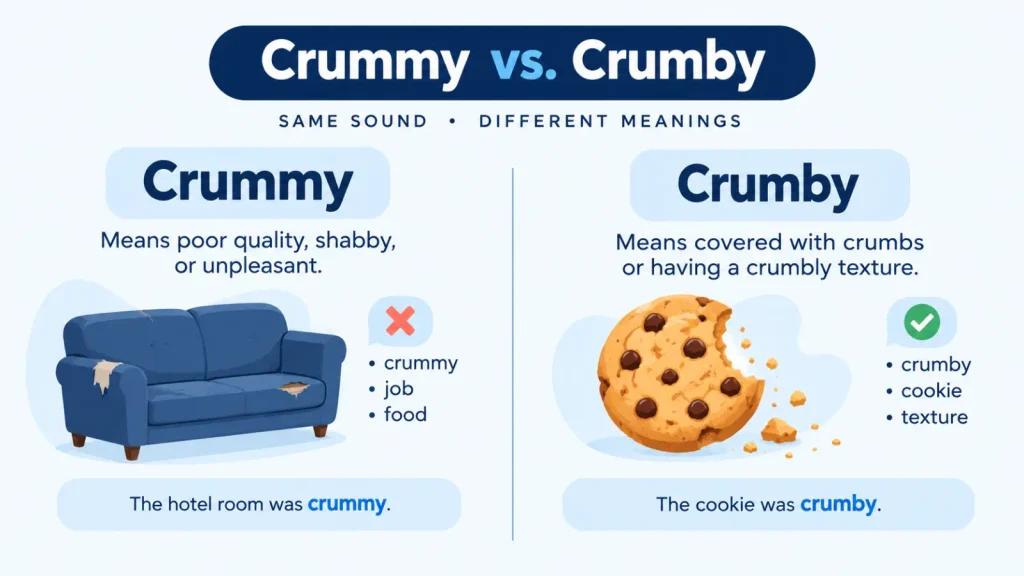
Crummy vs. Crumby: Meaning, Differences, Correct Usage, and Examples

crummy vs crumby

Crummy and crumby are both recognized English words, but they usually have different meanings and levels of familiarity. Crummy is the more common choice when describing something bad, poor in quality, unpleasant, or disappointing. For example, “We had a crummy day because it rained throughout our trip.” Crumby, on the other hand, is generally associated

Crummy vs. Crumby: Meaning, Differences, Correct Usage, and Examples Read More »

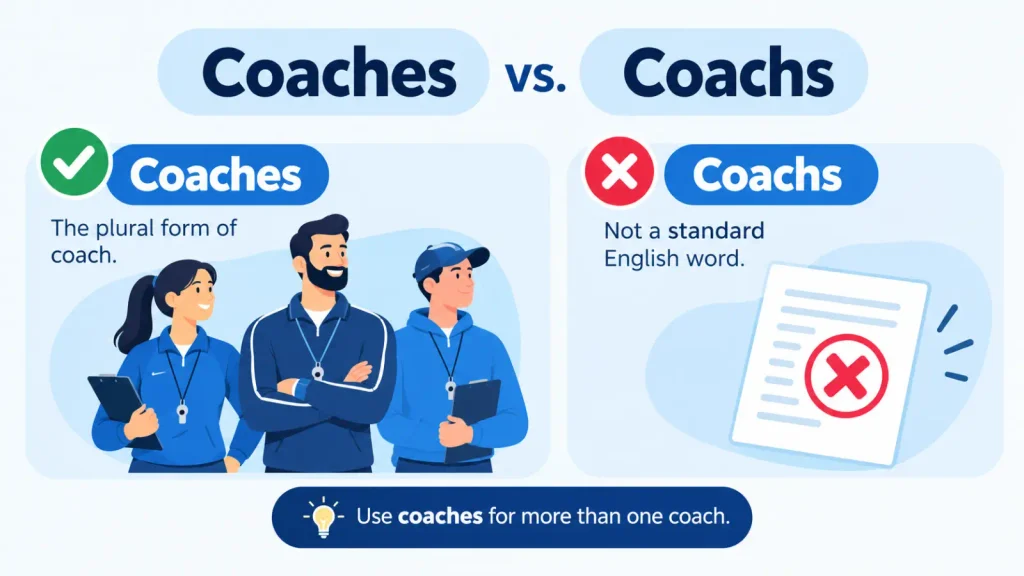
Coaches vs. Coachs: Correct Spelling, Meaning, Grammar Rules, and Examples

coaches vs coachs

Coaches is the correct spelling, while coachs is incorrect in standard English. If you want to describe more than one sports trainer, teacher, mentor, or instructor, use coaches. The same spelling also applies when coaches functions as a verb, as in “She coaches the school basketball team.” The difference between coaches vs. coachs comes down

Coaches vs. Coachs: Correct Spelling, Meaning, Grammar Rules, and Examples Read More »

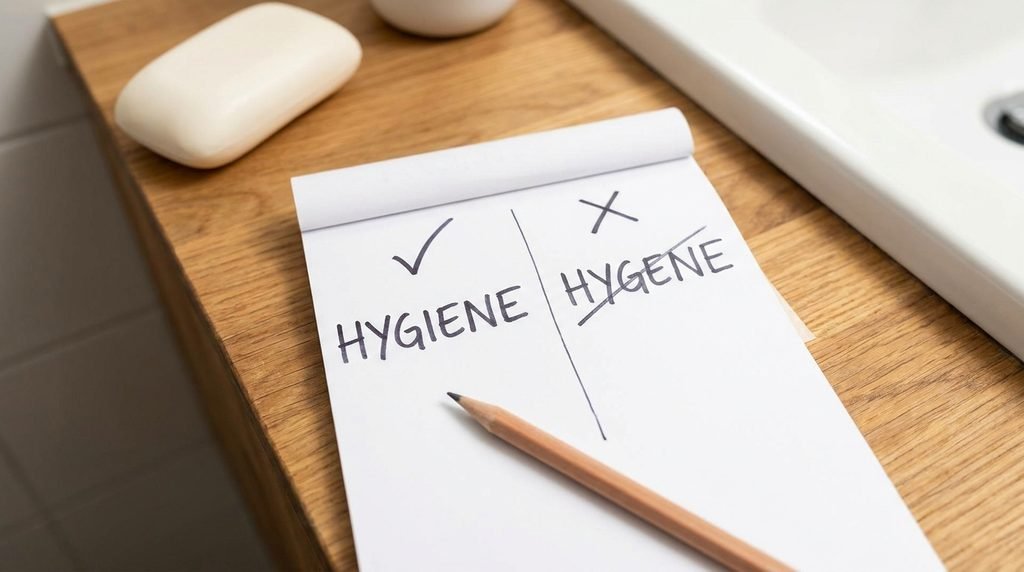
Hygiene vs Hygene: Which Spelling Is Correct?

hygiene vs hygene

Hygiene is the correct spelling in standard English, while hygene is a misspelling. The word hygiene refers to practices that help maintain cleanliness, health, and personal well-being. For example, personal hygiene includes washing your hands, brushing your teeth, bathing regularly, and wearing clean clothes. The main difference between hygiene vs hygene is the letter i.

Hygiene vs Hygene: Which Spelling Is Correct? Read More »
Hors d’Oeuvres vs. Hors Derves: Which Spelling Is Correct?

hors d'oeuvres vs hors derves

Hors d’oeuvres is the correct spelling, while hors derves is a misspelling of the French term. The phrase refers to small dishes or bite-sized foods served before a main meal, such as stuffed mushrooms, cheese bites, shrimp cocktails, and small pastries. For example: “The restaurant served delicious hors d’oeuvres before dinner.” The main difference is

Hors d’Oeuvres vs. Hors Derves: Which Spelling Is Correct? Read More »