
Olivia Smith

Olivia Smith is a US English writer and language enthusiast who specializes in spelling, word choice, and commonly confused words. She creates clear, practical guides that help readers understand the correct spelling, meaning, and usage of English words. At GrammarPool.com, Olivia focuses on spelling-choice topics, common spelling mistakes, and easy-to-understand explanations for everyday English users. Her writing is designed to make confusing word choices simple, accurate, and easy to remember. Expertise: US English, spelling, word choice, commonly confused words, grammar, and language usage.

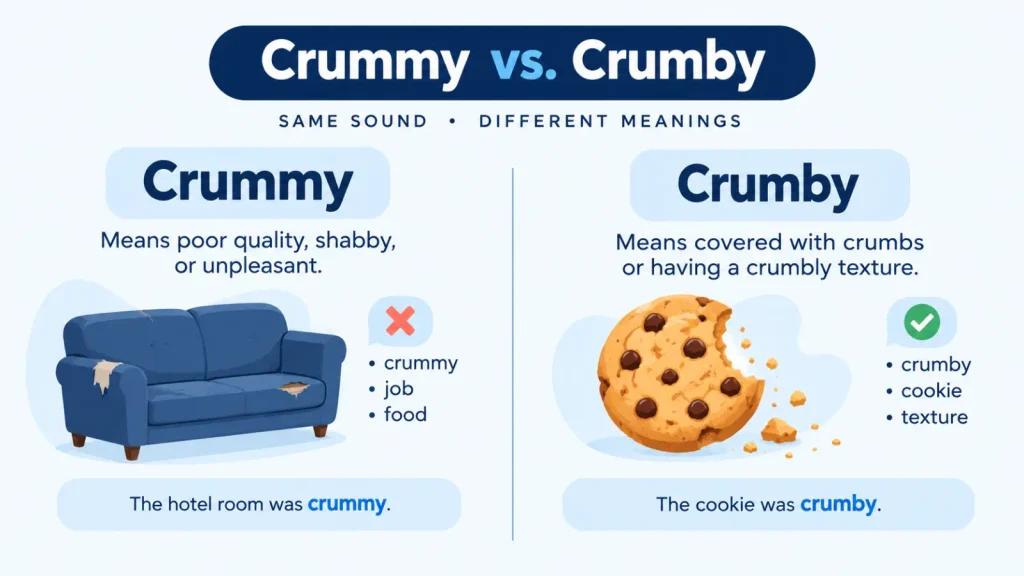
Crummy vs. Crumby: Meaning, Differences, Correct Usage, and Examples
crummy vs crumby

Crummy and crumby are both recognized English words, but they usually have different meanings and levels of familiarity. Crummy is the more common choice when describing something bad, poor in quality, unpleasant, or disappointing. For example, “We had a crummy day because it rained throughout our trip.” Crumby, on the other hand, is generally associated

Crummy vs. Crumby: Meaning, Differences, Correct Usage, and Examples Read More »
Hygiene vs Hygene: Which Spelling Is Correct?

hygiene vs hygene

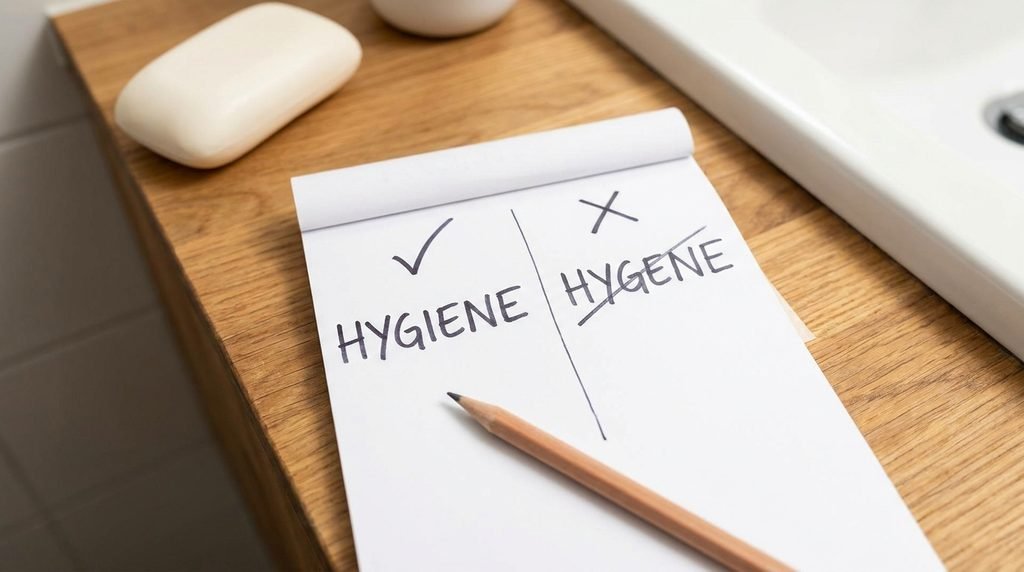
Hygiene is the correct spelling in standard English, while hygene is a misspelling. The word hygiene refers to practices that help maintain cleanliness, health, and personal well-being. For example, personal hygiene includes washing your hands, brushing your teeth, bathing regularly, and wearing clean clothes. The main difference between hygiene vs hygene is the letter i.

Hygiene vs Hygene: Which Spelling Is Correct? Read More »

Fascinating vs. Facinating: Which Spelling Is Correct?

Fascinating vs Facinating

Fascinating is the correct spelling. Facinating is a misspelling because it leaves out the first s in the word. Use fascinating when describing something extremely interesting, captivating, or capable of holding someone’s attention. For example: “The documentary tells a fascinating story about ancient civilizations.” The key point is simple: fascinating contains two consecutive letters s

Fascinating vs. Facinating: Which Spelling Is Correct? Read More »

Congratulate vs. Congradulate: Which Spelling Is Correct?

congratulate vs congradulat

Congratulate is the correct spelling in American English, while congradulate is a common misspelling. Use congratulate when you want to express happiness for someone’s achievement, praise someone for an accomplishment, or recognize a special occasion. For example, you should write, “I want to congratulate you on your success,” not “I want to congradulate you on

Congratulate vs. Congradulate: Which Spelling Is Correct? Read More »

Disappoint vs. Disapoint: Which Spelling Is Correct?

disappoint vs disapoint

Disappoint is the correct spelling in American English. Disapoint is a misspelling because the word requires two p’s. Use disappoint when you mean to let someone down, fail to meet expectations, or cause someone to feel unhappy. For example: “I don’t want to disappoint my parents.” The easiest way to remember the correct spelling is

Disappoint vs. Disapoint: Which Spelling Is Correct? Read More »

Difference vs Diffrence: Which Spelling Is Correct?

difference vs diffrence

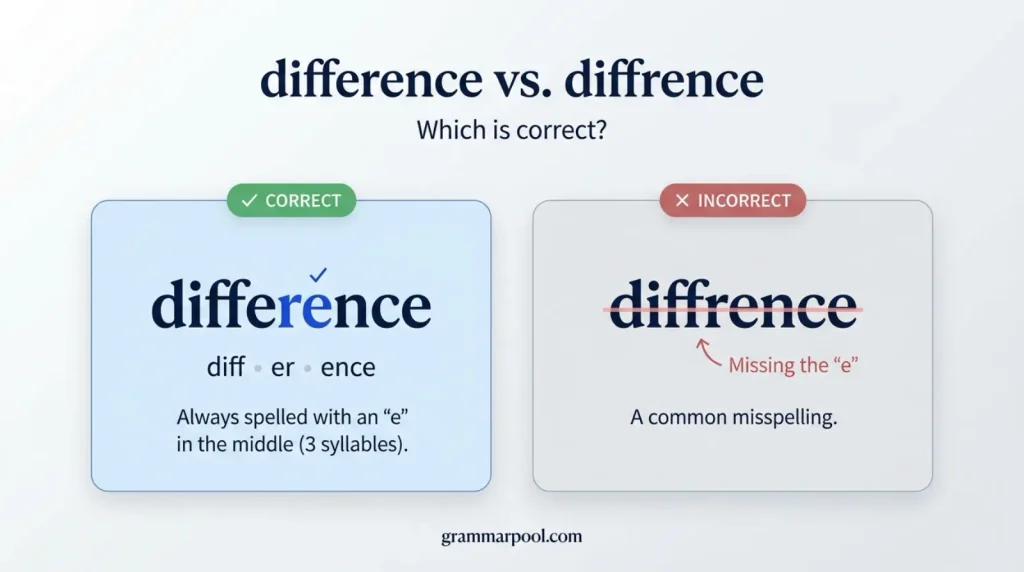
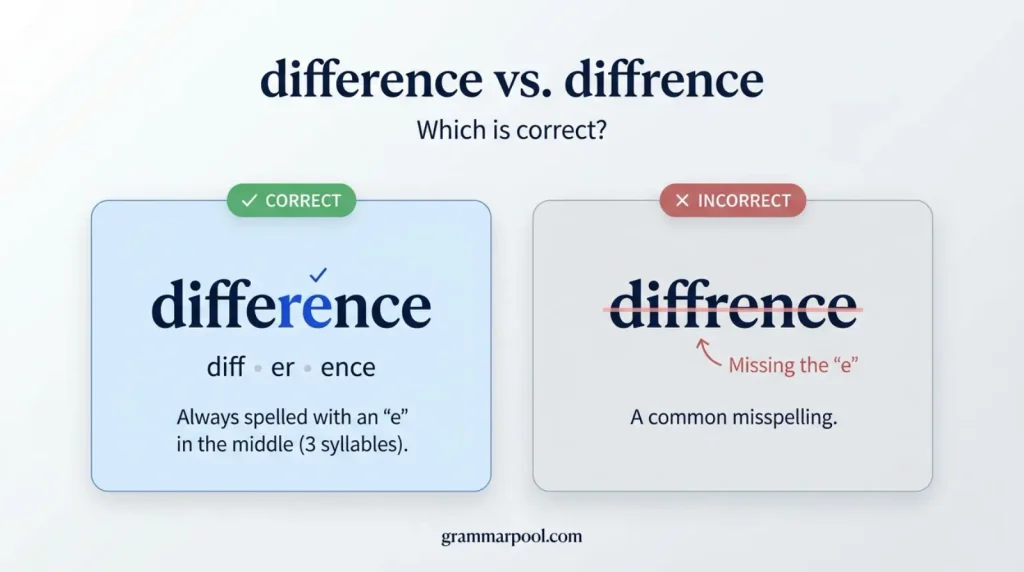
Difference vs diffrence is a common spelling question for English learners and writers. The correct spelling is difference, while diffrence is incorrect. If you want to describe how two or more things are unlike each other, you should always use difference. This spelling mistake often happens because people pronounce words quickly or forget a vowel

Difference vs Diffrence: Which Spelling Is Correct? Read More »

Colleague vs Collaegue: Which Spelling Is Correct?

colleague vs collaegue

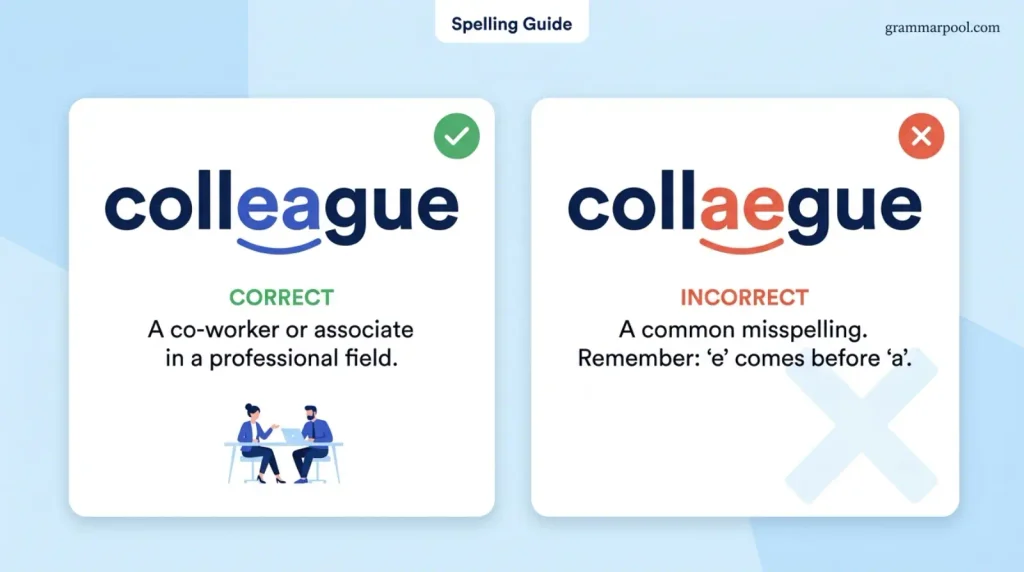
Colleague vs collaegue is a common spelling question in English. The correct spelling is colleague, while collaegue is a misspelling. If you want to describe someone you work with, use colleague in your writing, emails, workplace conversations, and professional documents. The confusion happens because colleague contains an unusual combination of vowels that can be difficult

Colleague vs Collaegue: Which Spelling Is Correct? Read More »