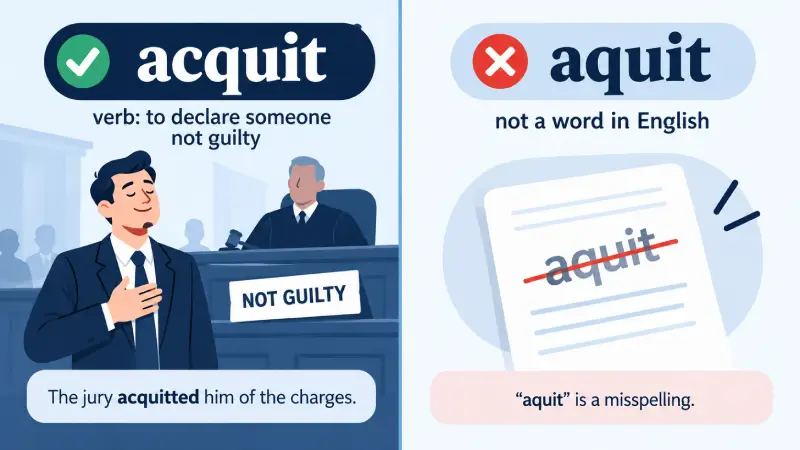

Hierarchy is the correct spelling, while heirarchy is a common misspelling. If you are wondering whether to write hierarchy or heirarchy, the correct choice in standard American English is hierarchy.
The word hierarchy refers to a system in which people, groups, or things are organized into different levels of importance, authority, or rank. Although heirarchy may look correct because of the word heir, it is not the standard spelling.
Quick Answer: Is It Hierarchy or Heirarchy?
Hierarchy is correct.
Heirarchy is incorrect and should be avoided in standard English.
| Spelling | Correct? | Meaning |
|---|---|---|
| hierarchy | ✅ Yes | A system arranged in levels of rank, authority, or importance |
| heirarchy | ❌ No | Common misspelling of hierarchy |
For example:
The company has a clear hierarchy of management.
Not:
The company has a clear heirarchy of management.
Why Is Hierarchy the Correct Spelling?
The correct spelling is hierarchy, not heirarchy.
The spelling can be confusing because heir is a real English word. An heir is someone who has a legal or traditional right to inherit property, money, or a title. However, hierarchy is not formed from the word heir.
The correct spelling begins with:
h-i-e-r-a-r-c-h-y
So the word is:
hierarchy ✅
A common mistake changes the first part to heir, producing:
heirarchy ❌
Remember that hierarchy contains hier-, not heir-.
What Does Hierarchy Mean?
A hierarchy is a system that organizes people, groups, objects, or ideas into levels based on rank, authority, importance, or status.
For example, a company may have a hierarchy like this:
CEO → Managers → Supervisors → Employees
Each level has a different degree of responsibility or authority.
You can also use hierarchy for things that are not related to people.
For example:
The website has a clear hierarchy of information.
Here, hierarchy describes the way information is arranged from more important to less important.
Hierarchy in Everyday English
Hierarchy is common in both everyday and formal American English.
For example:
There is a clear hierarchy within the organization.
The students quickly learned the social hierarchy at the school.
Safety should be high on the hierarchy of priorities.
The animals have a strict social hierarchy.
The exact meaning depends on context, but the central idea is always an arrangement of levels.
What Is a Social Hierarchy?
A social hierarchy is a system in which people or groups are arranged according to social status, influence, power, or position.
For example:
The group developed a social hierarchy over time.
Social hierarchies can appear in workplaces, schools, communities, animal groups, and other social settings.
The word does not automatically mean that one level is morally better than another. It simply describes an arrangement of different positions or levels.
What Is a Hierarchy in a Workplace?
In a workplace, hierarchy describes the organizational structure that shows who has authority and responsibility.
For example:
The company’s hierarchy includes department managers, supervisors, and employees.
A simple organizational hierarchy might look like:
Chief Executive Officer
↓
Department Managers
↓
Supervisors
↓
Employees
This structure helps define roles and reporting relationships.
Hierarchy in Organizations
Many organizations use a formal hierarchy to divide responsibilities.
For example:
The organization follows a traditional management hierarchy.
In this sentence, hierarchy refers to the different levels of management and authority.
However, not every organization has a strict hierarchy. Some companies use flatter structures in which employees have fewer levels of management between them and senior leaders.
Hierarchy in Technology and Websites
The word hierarchy is also important in technology, web design, and information architecture.
A website can have a hierarchy that organizes information from broad categories to more specific pages.
For example:
Website
→ Grammar
→ Spelling
→ Confusing Words
→ Hierarchy vs. Heirarchy
This structure helps users understand how different pages relate to one another.
In web design, visual hierarchy can also describe how design elements guide a reader’s attention. For example, a large heading may attract attention before a smaller paragraph.
Hierarchy in Academic Writing
Hierarchy is perfectly acceptable in academic writing when you are describing levels, ranks, categories, or organizational structures.
For example:
Researchers examined the social hierarchy within the group.
The study explored the hierarchy of needs among participants.
The theory describes a hierarchy of human motivations.
Because hierarchy has a precise meaning, it can be useful when discussing systems that contain multiple levels.
Hierarchy vs. Rank
Hierarchy and rank are related, but they are not identical.
Rank usually refers to a person’s or thing’s position within a system.
She holds a high rank in the organization.
Hierarchy refers to the overall system containing those different levels.
The organization has a strict management hierarchy.
In simple terms:
Rank = one position
Hierarchy = the system of positions
Hierarchy vs. Heir
The words hierarchy and heir look similar at the beginning, but they have completely different meanings.
An heir is someone who is entitled to inherit property, money, or a title.
For example:
The prince was the heir to the throne.
A hierarchy is a system organized into levels.
For example:
The company has a clear management hierarchy.
Therefore, do not use heir as a spelling clue for hierarchy.
Common Mistake: Heirarchy
Heirarchy is a common spelling error.
The mistake probably happens because the first part of hierarchy sounds or looks similar to heir. Since heir is a familiar English word, writers may accidentally insert heir into the spelling.
However:
hierarchy ✅
heirarchy ❌
The correct spelling contains hier, not heir.
How to Remember the Correct Spelling
A useful trick is to break the word into parts:
hier + archy
Then remember:
Hierarchy has “hier,” not “heir.”
You can also type the word slowly:
H-I-E-R-A-R-C-H-Y
This helps prevent the common heirarchy mistake.
Hierarchy: Pronunciation
Hierarchy is commonly pronounced approximately:
HY-uh-rar-kee
or
HY-er-ar-kee
The pronunciation can vary slightly depending on the speaker and dialect.
The spelling is:
h-i-e-r-a-r-c-h-y
Because the pronunciation does not always make every letter obvious, it is worth memorizing the spelling rather than relying entirely on sound.
Examples of Hierarchy in Sentences
Here are some natural examples of hierarchy in American English:
- The company has a clear hierarchy of leadership.
- The manager explained the organization’s hierarchy.
- Social hierarchy can influence group behavior.
- The website uses a simple hierarchy of categories.
- The military has a well-defined hierarchy of command.
- The animals established a social hierarchy.
- The school has a formal administrative hierarchy.
- The designer created a visual hierarchy for the webpage.
- The team questioned whether the existing hierarchy was necessary.
- Understanding the hierarchy makes the system easier to navigate.
Is Heirarchy Ever Correct?
No. Heirarchy is not the standard spelling of the word.
If you mean a system organized into levels of authority, importance, or rank, use hierarchy.
For example:
The company has a strict hierarchy.
Avoid:
The company has a strict heirarchy.
The misspelling may appear in informal online writing, but it should not be used in professional, academic, or edited English.
Is Hierarchy a Noun?
Yes. Hierarchy is a noun.
For example:
The organization has a complex hierarchy.
Related forms include:
- hierarchical , organized according to levels or ranks
- hierarchically , in a hierarchical manner
- hierarchies , plural form of hierarchy
For example:
The organization has several hierarchies.
The system is highly hierarchical.
What Is the Plural of Hierarchy?
The plural of hierarchy is hierarchies.
The -y changes to -ies:
hierarchy → hierarchies
For example:
Different cultures may have different social hierarchies.
Not:
Different cultures may have different social hierarchys.
Hierarchy vs. Heirarchy: Easy Memory Trick
If you frequently confuse these spellings, remember this:
Hierarchy has HIER, not HEIR.
The correct spelling starts:
HIER-
not:
HEIR-
So:
HIERARCHY ✅
HEIRARCHY ❌
FAQs
Is hierarchy or heirarchy correct?
Hierarchy is correct. Heirarchy is a common misspelling.
How do you spell hierarchy correctly?
The correct spelling is hierarchy: H-I-E-R-A-R-C-H-Y.
What does hierarchy mean?
Hierarchy means a system in which people, groups, objects, or ideas are arranged into levels based on rank, authority, importance, or status.
Why is heirarchy wrong?
Heirarchy is wrong because hierarchy is not spelled with the word heir. The correct spelling begins with hier-.
What is the plural of hierarchy?
The plural is hierarchies.
For example:
Several social hierarchies exist within the community.
Is hierarchy a noun?
Yes. Hierarchy is a noun that refers to a system of levels, ranks, or authority.
What is the difference between hierarchy and rank?
Rank refers to a particular position, while hierarchy refers to the entire system of positions arranged by level or authority.
Conclusion
Hierarchy is the correct spelling, while heirarchy is a common misspelling. Hierarchy refers to a system in which people, groups, things, or ideas are arranged into levels of rank, authority, importance, or status.
The easiest way to remember the spelling is:
HIERARCHY ✅
HEIRARCHY ❌
Remember that hierarchy starts with hier-, not heir-. When you are describing an organized system of levels or ranks, hierarchy is the correct word.

Olivia Smith is a US English writer and language enthusiast who specializes in spelling, word choice, and commonly confused words. She creates clear, practical guides that help readers understand the correct spelling, meaning, and usage of English words.
At GrammarPool.com, Olivia focuses on spelling-choice topics, common spelling mistakes, and easy-to-understand explanations for everyday English users. Her writing is designed to make confusing word choices simple, accurate, and easy to remember.
Expertise: US English, spelling, word choice, commonly confused words, grammar, and language usage.