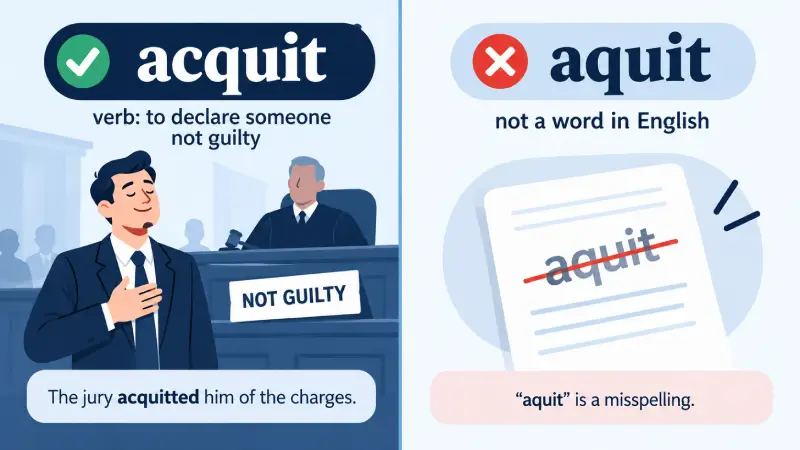
If you are unsure whether extreme or extreem is the correct spelling, you are not alone. These words look very similar, but only one is correct in standard English.
The correct spelling is extreme. Extreem is a misspelling and should not be used in standard American English.
Quick Answer: Extreme or Extreem?
Extreme is the correct spelling.
Extreem is incorrect.
The word extreme can describe something that is very great, intense, severe, unusual, or far from ordinary. It can also refer to the greatest possible degree of something.
The weather reached extreme temperatures.
She showed extreme patience during the difficult situation.
The team faced extreme pressure before the final match.
Remember the spelling pattern: extreme, not extreem.
Is Extreme or Extreem Correct?
Extreme is the correct spelling in American English and standard English generally.
The incorrect form extreem often occurs because the pronunciation may make the ending sound like it contains a long “ee” sound. However, the correct written form uses -eme:
extreme ✅
extreem ❌
The spelling extreme has been established in English for centuries. Therefore, when writing an email, school assignment, article, report, or professional document, always use extreme.
What Does Extreme Mean?
Extreme is an adjective that generally describes something that exists at a very high or very low degree.
It can describe something that goes far beyond what is normal, moderate, or expected.
For example:
The hikers faced extreme weather conditions.
Here, extreme means unusually severe or difficult.
The word can also describe something that is very intense:
He felt extreme excitement before the competition.
In this sentence, extreme means very strong or intense.
Extreme Can Also Refer to the Farthest Point
The word can describe something at the greatest possible distance or degree.
The village is located at the extreme northern end of the region.
In this context, extreme means farthest or outermost.
Therefore, the exact meaning depends on how the word is used in a sentence.
Why Is “Extreem” Incorrect?
Extreem is incorrect because it does not follow the standard spelling of the English word.
A common spelling mistake happens when writers focus on pronunciation rather than the established spelling. The ending of extreme can sound as though it might be written with ee, but the correct form uses -eme.
Compare these forms:
| Spelling | Correct? | Explanation |
|---|---|---|
| extreme | ✅ Yes | Standard English spelling |
| extreem | ❌ No | Common misspelling |
| extream | ❌ No | Incorrect spelling |
| extreamly | ❌ No | Incorrect form of extremely |
The safest approach is to remember that the correct word is spelled extreme.
How Do You Spell Extreme?
The correct spelling is:
E-X-T-R-E-M-E
Break It Into Parts
You can remember the spelling by separating it mentally:
ex + treme = extreme
The final part is -treme, not -treem.
extreme ✅
extreem ❌
A useful memory trick is:
Extreme ends with “eme.”
Once you remember this pattern, it becomes easier to avoid writing extreem.
Extreme Meaning in American English
In American English, extreme commonly means unusually great, intense, severe, or far from the normal range.
For example:
The company took extreme measures to protect its customers.
The region experienced extreme heat during the summer.
His reaction seemed extreme given the situation.
The word is common in everyday conversation, news writing, academic writing, business communication, and technical contexts.
Extreme in Everyday Conversation
You will often hear extreme in everyday American English.
That’s an extreme reaction.
The cold weather was extreme this morning.
She went to an extreme level to finish the project.
The traffic caused an extreme delay.
In casual conversation, speakers may use extreme to emphasize that something is unusually strong, serious, or intense.
Extreme in School Writing
Extreme is also common in school assignments and academic writing.
The experiment produced extreme results.
Students experienced extreme changes in temperature during the experiment.
The author describes the character’s extreme emotional response.
Researchers examined the effects of extreme environmental conditions.
When writing for school, make sure to use extreme, not extreem.
Extreme in Professional Writing
Professional documents may use extreme when discussing risks, conditions, behavior, or situations.
The company has procedures for dealing with extreme weather.
Employees should report any extreme safety concerns.
The project faced extreme financial pressure.
The equipment was tested under extreme conditions.
Because extreme is the standard spelling, using extreem in professional writing can make the document appear to contain a spelling error.
Extreme in Science and Technical Writing
The word extreme is particularly common when describing conditions that are outside an ordinary range.
The instrument can operate under extreme temperatures.
Scientists studied organisms living in extreme environments.
The material must withstand extreme pressure.
Researchers investigated the effects of extreme conditions on plant growth.
In these examples, extreme describes conditions that are unusually severe or far from normal.
Extreme vs. Extreem Examples
The easiest way to understand the difference is to compare correct and incorrect examples.
Correct
The area experienced extreme heat.
Incorrect
The area experienced extreem heat.
The first sentence uses the standard spelling.
Correct
She showed extreme confidence during the presentation.
Incorrect
She showed extreem confidence during the presentation.
Again, extreme is correct.
Correct
The athletes trained in extreme conditions.
Incorrect
The athletes trained in extreem conditions.
The pronunciation does not change the spelling.
Common Phrases With Extreme
Learning common phrases can make the correct spelling easier to remember.
Extreme Weather
The city prepared for extreme weather.
This phrase commonly refers to unusually severe weather conditions.
Extreme Heat
Officials warned residents about extreme heat.
Extreme Cold
The animals must survive extreme cold.
Extreme Pressure
The machine can operate under extreme pressure.
Extreme Conditions
The equipment was designed for extreme conditions.
Extreme Measures
The organization took extreme measures to solve the problem.
Extreme Risk
The activity involves extreme risk.
In every example, the spelling remains extreme.
What Is the Difference Between Extreme and Extremely?
Extreme and extremely are related words, but they have different grammatical roles.
Extreme is usually an adjective.
The weather is extreme.
Extremely is an adverb.
The weather is extremely hot.
Notice that extremely is spelled with -ely after extreme.
The correct forms are:
- extreme ✅
- extremely ✅
- extreem ❌
- extreemly ❌
Examples
The storm caused extreme damage.
The storm was extremely powerful.
He experienced extreme pain.
He was extremely worried.
Understanding this difference can help prevent additional spelling mistakes.
Is “Extreem” Ever Correct?
In standard English writing, extreem is not the correct spelling of the word extreme.
If you see extreem in a sentence intended to use the English word meaning very intense, severe, or farthest, it should normally be corrected to extreme.
For example:
The conditions were extreem.
should be:
The conditions were extreme.
The same applies to formal writing, online content, schoolwork, business documents, and professional communication.
Common Misspellings of Extreme
Because of its pronunciation and letter pattern, extreme can be misspelled in several ways.
| Incorrect | Correct |
|---|---|
| extreem | extreme |
| extream | extreme |
| extreeme | extreme |
| extrem | extreme |
| extreemly | extremely |
Among these, extreem is especially understandable because the ending may sound like “eem” when pronounced.
However, remembering the written form -eme will help you spell it correctly.
How Do You Pronounce Extreme?
Extreme is commonly pronounced approximately like:
ik-STREEM
The pronunciation explains why some people may accidentally write extreem.
Even though the final sound resembles “eem,” the spelling is -eme.
So remember:
Pronunciation: ik-STREEM
Spelling: extreme
The pronunciation should not lead you to replace -eme with -eem.
Extreme as a Noun
Although extreme is most commonly used as an adjective, it can also function as a noun.
As a noun, it can refer to either of two farthest or opposite points or conditions.
The two political positions represent opposite extremes.
It can also refer to an extreme condition or degree.
The athlete was willing to go to an extreme to achieve the goal.
The spelling remains extreme when the word is used as a noun.
Extreme as Part of Other Words
You will also see extreme in compound words and expressions.
For example:
- extreme sports
- extreme weather
- extreme heat
- extreme cold
- extreme conditions
- extreme poverty
- extreme pressure
- extreme danger
These expressions all use the spelling extreme.
A Simple Trick to Remember Extreme
If you often write extreem, use this simple spelling trick:
Remember: Extreme Ends With “EME”
Think:
extre + eme = extreme
Do not change the final -eme to -eem.
You can also connect the word with extremely:
extreme → extremely
Both begin with extrem-, which can help you remember the correct spelling.
Extreme weather
Extremely hot weather
Frequently Asked Questions About Extreme vs. Extreem
Is extreme or extreem correct?
Extreme is correct. Extreem is a misspelling.
How do you spell extreme?
The correct spelling is E-X-T-R-E-M-E: extreme.
What does extreme mean?
Extreme means very great, intense, severe, unusual, or far from ordinary. It can also mean the farthest possible point or degree.
Why do people spell extreme as extreem?
The mistake often happens because extreme is pronounced with a sound similar to “streem.” However, the correct spelling uses -eme, not -eem.
Is extreem a word?
Extreem is not the standard spelling of the English word extreme. In ordinary English writing, use extreme.
Is extremely spelled with extreme?
Yes. The correct spelling is extremely. For example:
The weather was extremely hot.
What is the difference between extreme and extremely?
Extreme is generally an adjective or noun, while extremely is an adverb.
It was an extreme situation.
It was extremely difficult.
What is the opposite of extreme?
Depending on the context, possible opposites include moderate, ordinary, normal, or mild.
For example:
The region experienced extreme temperatures.
The region experienced moderate temperatures.
Quick Comparison: Extreme vs. Extreem
| Word | Correct? | Meaning |
|---|---|---|
| Extreme | ✅ Yes | Very intense, severe, great, or farthest |
| Extreem | ❌ No | Misspelling of extreme |
| Extremely | ✅ Yes | In a very high or intense degree |
| Extreemly | ❌ No | Misspelling of extremely |
Final Tip for Remembering the Spelling
When deciding between extreme vs. extreem, choose extreme every time in standard English.
The key spelling pattern is:
extreme = E-X-T-R-E-M-E
Do not let the pronunciation trick you into writing extreem. Although the final sound resembles “eem,” the word is written with -eme.
Conclusion
Extreme is the correct spelling, while extreem is a common misspelling. The word extreme can describe something very intense, severe, unusual, or far from ordinary. It is widely used in everyday American English, school writing, professional communication, and academic contexts.
If you are writing extreme weather, extreme heat, extreme conditions, or extreme pressure, always use extreme.
The easiest rule to remember is simple: extreme ends with -eme, not -eem.